





 English
2026.07.24
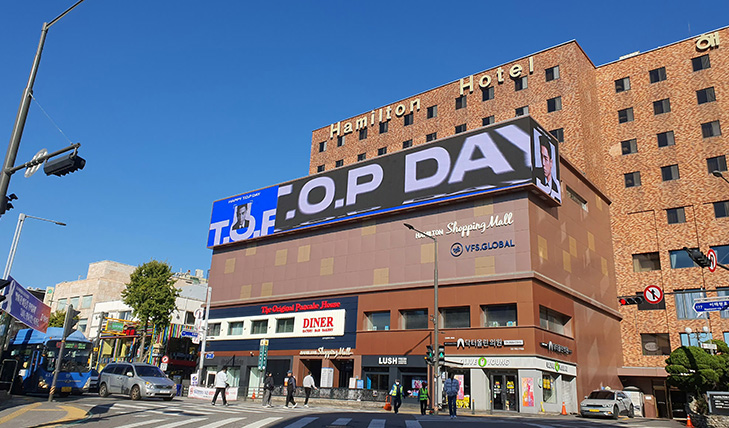
As essential mediums for commercial advertising and public information dissemination, outdoor LED displays represent a significant hardware investment. Extending their operational lifespan and maximizing return on investment (ROI) are top priorities for property owners and operators. But what key factors actually determine how long an outdoor LED display will last?
The core components of a screen dictate its baseline performance and durability. Among these, the LED lamps (diodes) are the single most critical element influencing both visual quality and longevity. Premium LEDs offer far superior degradation resistance and color stability compared to budget alternatives, maintaining strong brightness even after years of continuous use. In contrast, low-quality LEDs can suffer severe lumen depreciation in a short time. Additionally, the stability of the power supply is equally crucial; abnormal current fluctuations can directly damage LEDs and compromise the display's overall service life.
Heat is the ultimate enemy of LED electronics. Due to high brightness requirements and high power consumption, outdoor screens generate substantial thermal energy during operation. If the cabinet's internal thermal architecture is poorly designed or cooling fans fail, excessively high junction temperatures will accelerate light degradation or cause permanent component failure. An engineered airflow design and efficient auxiliary cooling systems are essential prerequisites for maintaining safe operational temperatures over the long run.
Outdoor displays are continuously exposed to harsh natural elements. Intense UV radiation degrades sealants and protective masks, causing them to embrittle, while moisture penetration can trigger circuit board corrosion or short circuits. In coastal regions, airborne salt spray poses an even more severe corrosive threat. Consequently, an IP65 or higher ingress protection rating is a fundamental requirement to shield the equipment against environmental erosion and ensure long-term operation.
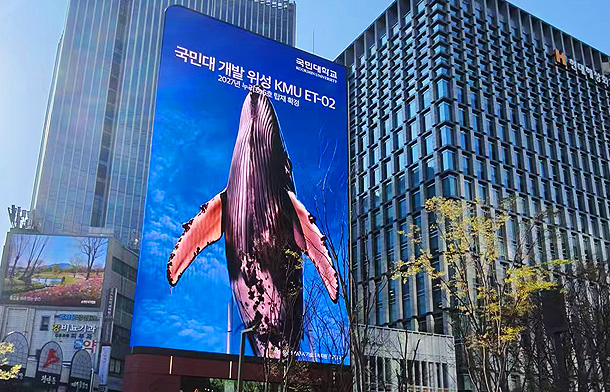
Proactive and systematic maintenance is a proven way to extend a display's service life. This includes regularly cleaning dust from the screen surface, inspecting electrical wiring and mechanical fasteners, and promptly replacing faulty LED modules. Routine inspections allow operators to catch and fix minor issues before they escalate into major system failures, ensuring smooth and reliable operation over time.
In summary, the lifespan of an outdoor LED display is not determined by a single factor, but rather by the synergy of high-quality hardware, effective thermal management, robust environmental protection, and disciplined maintenance. By enforcing strict quality control throughout procurement, installation, and daily operations, display owners can ensure their screens remain vibrant and dependable for years, ultimately maximizing their long-term economic value.


 中文
中文 日本語
日本語 Русский
 Español
 Deutsch
 français
 اللغة العربية