
 English
2025.12.10
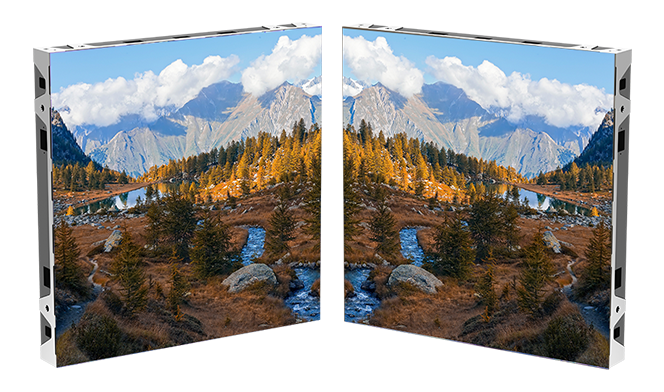
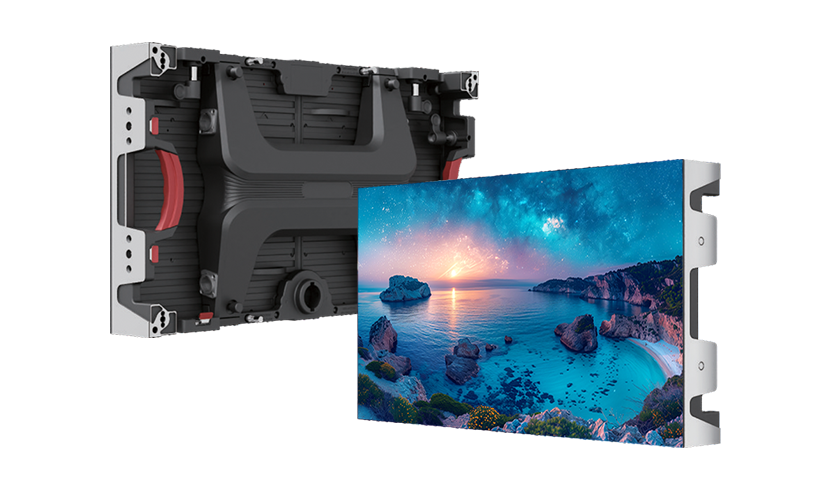
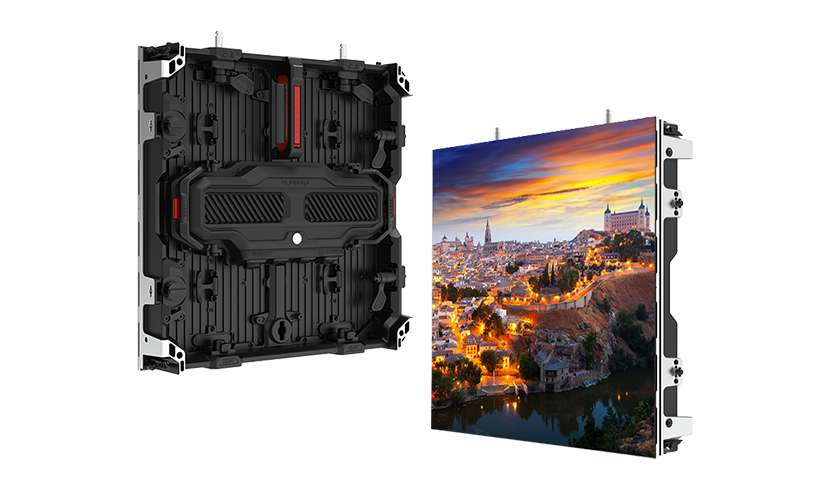
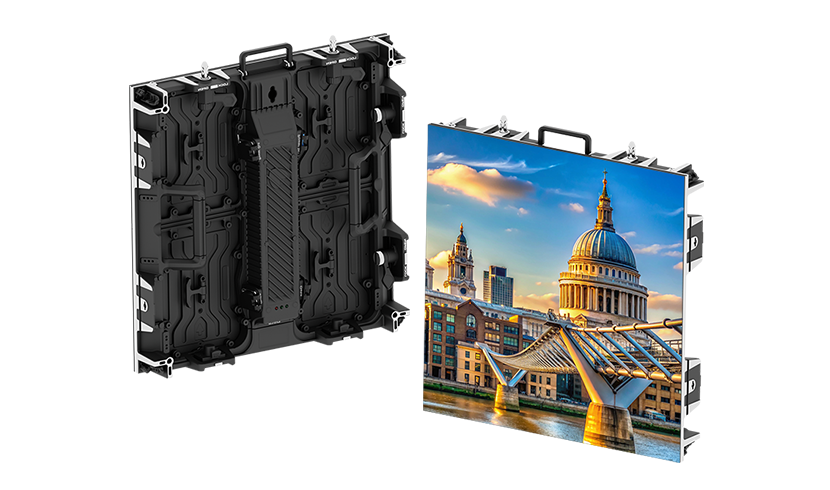
With the widespread adoption of LED display technology, two primary categories have emerged as market leaders: Rental Displays and Fixed Installation Displays. Buyers often struggle to distinguish between the two; however, they differ significantly in design philosophy, structure, and practical application.
This guide outlines the distinctions across four core dimensions: product design, usage scenarios, installation efficiency, and durability.
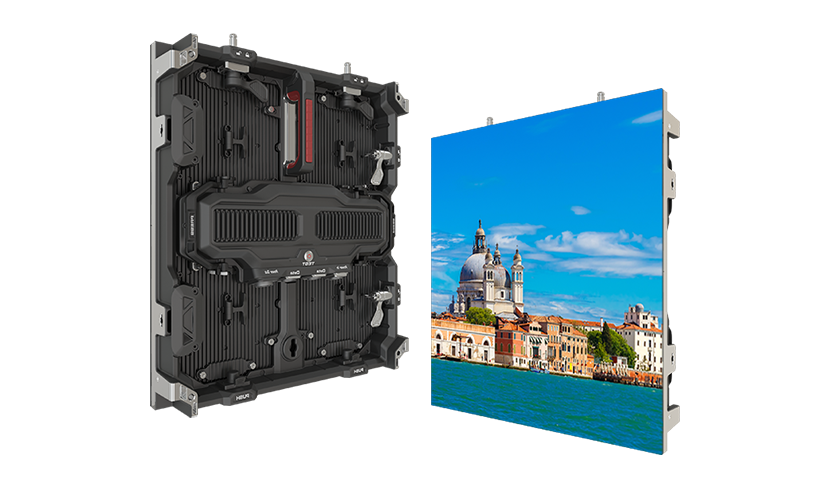
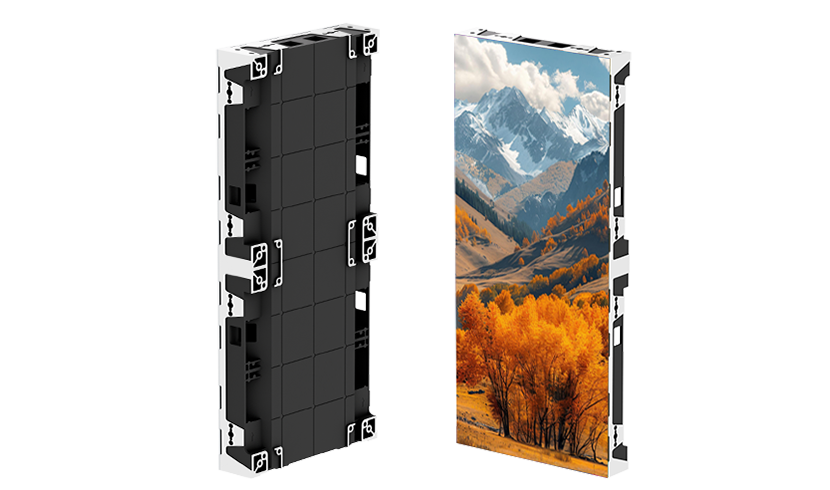
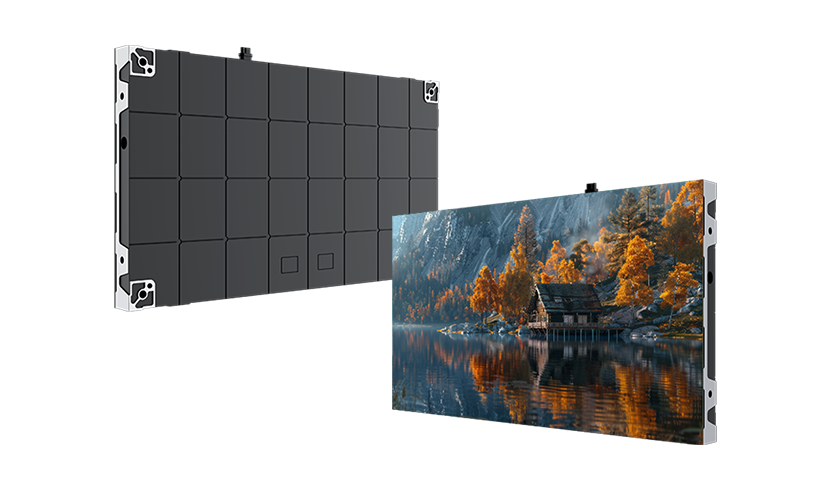
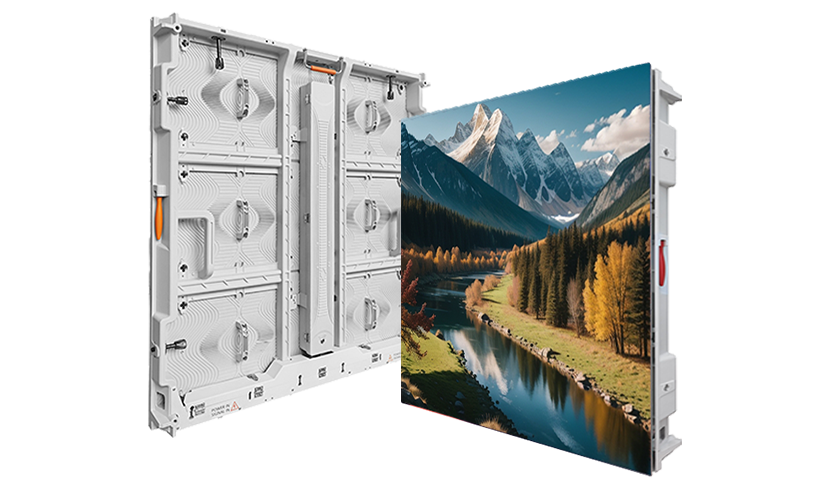
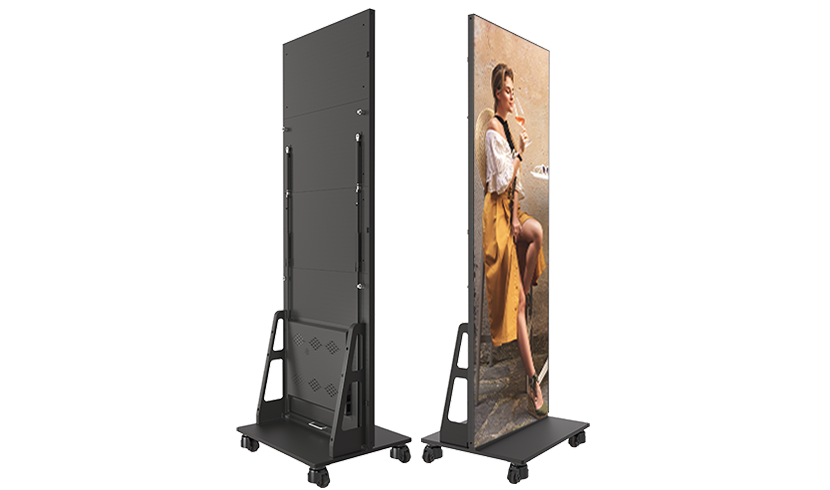
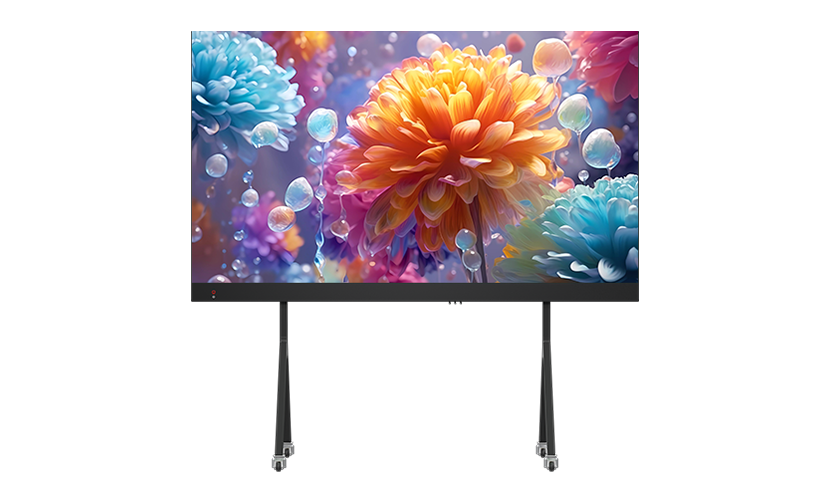
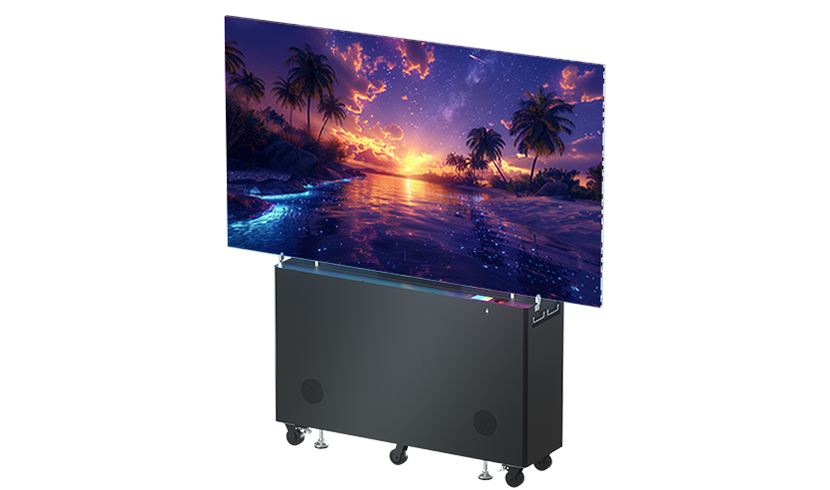
LED Rental Displays are designed with "mobility" as the core concept.
Fast Assembly: Equipped with standardized quick-lock mechanisms, they can be assembled and dismantled without professional tools.
Flexibility: To adapt to various stage designs, rental screens often support curved configurations (convex or concave), with some high-end models allowing for ±15° angle adjustments.
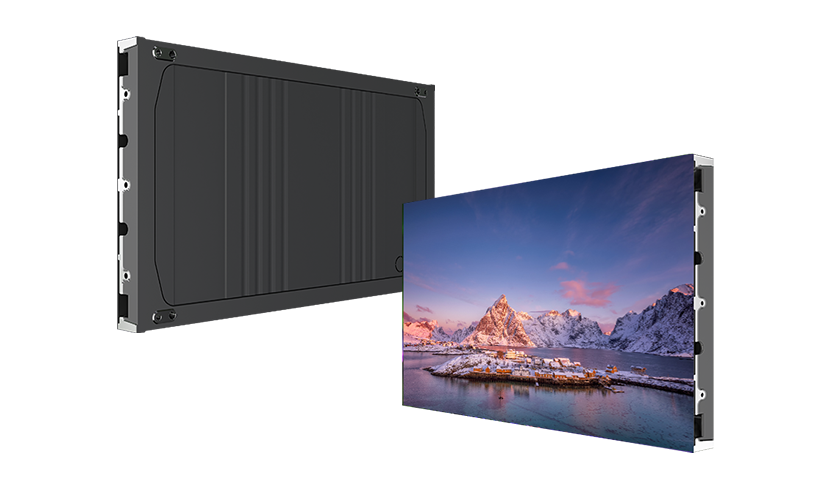
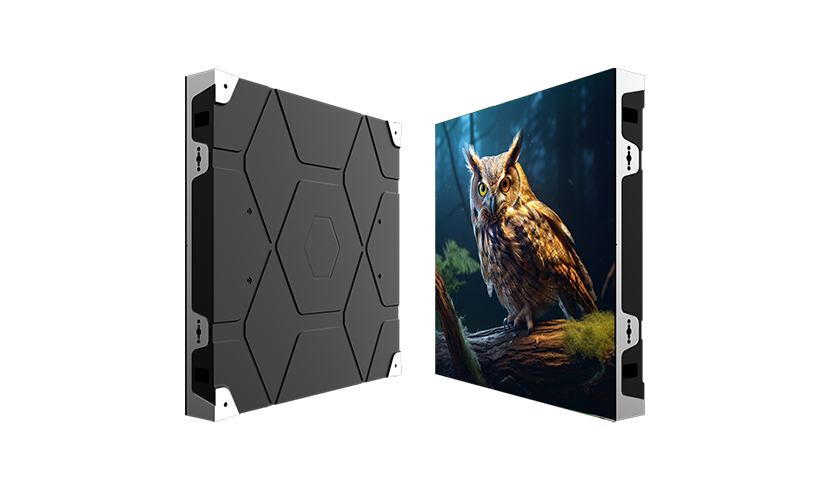
Fixed Installation LED Displays prioritize "structural stability."
Robustness: The cabinets are generally thicker and heavier.
Seamless Integration: They are anchored tightly to walls or steel structures using fixed brackets. The focus is on seamless tiling to ensure the screen remains perfectly aligned without shifting over years of operation.
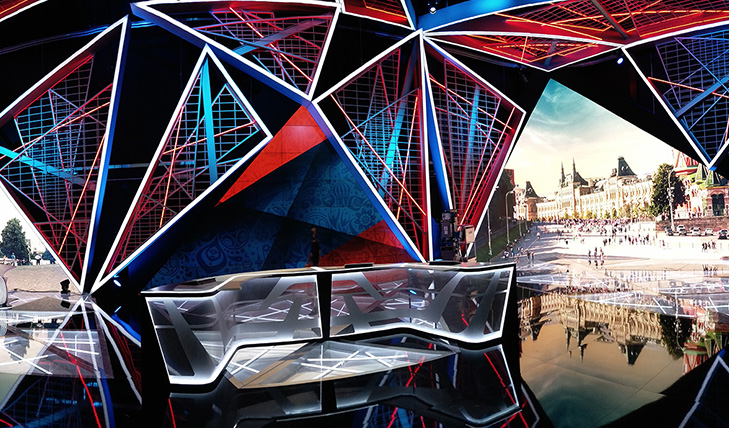
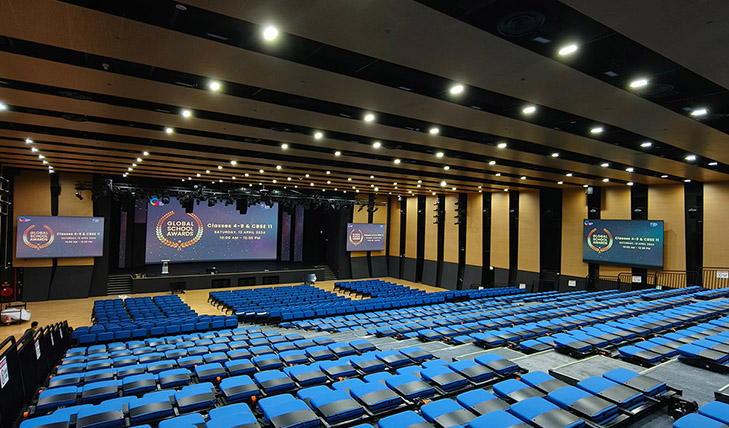
LED Rental Displays are built for temporary events.
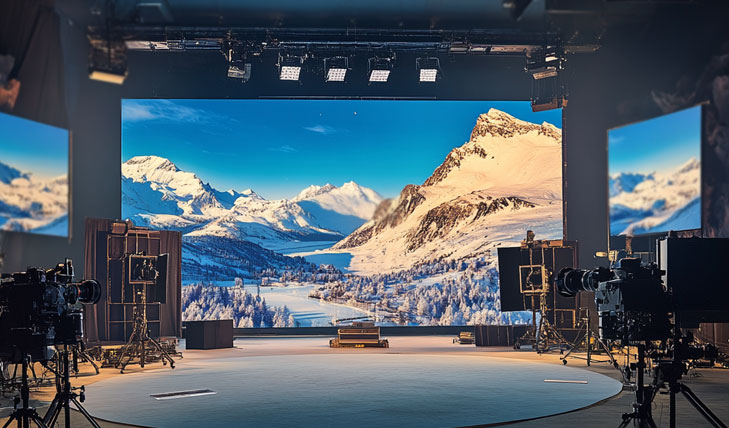
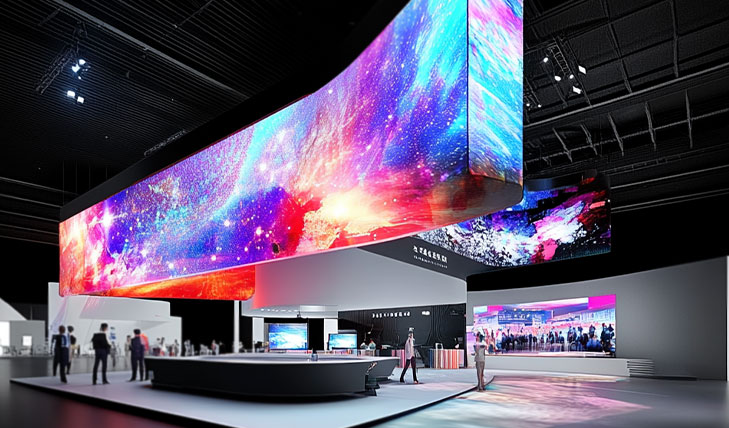
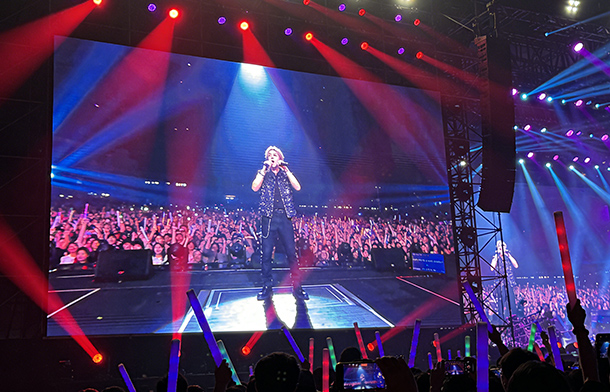
Applications: Weddings, trade shows, exhibitions, concerts, and sports events.
Key Needs: These scenarios require rapid deployment, frequent transportation, and modular scalability. Screens are often rented by the "cabinet" count, allowing the screen size to scale up or down based on the event.
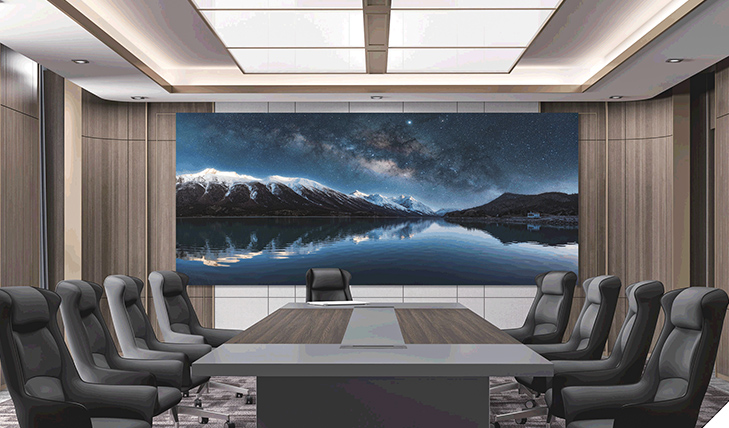
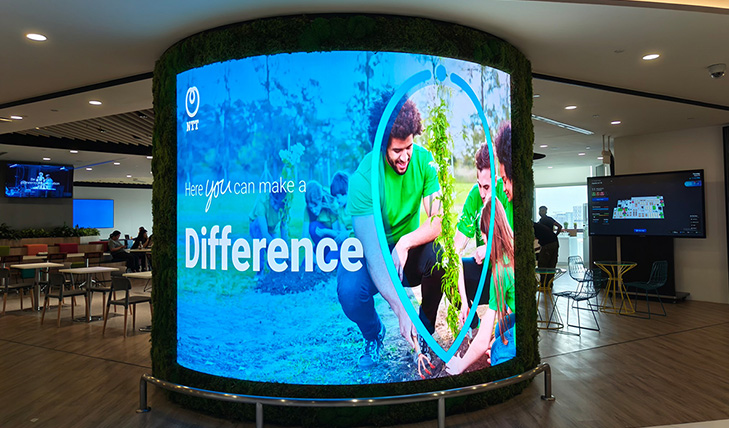
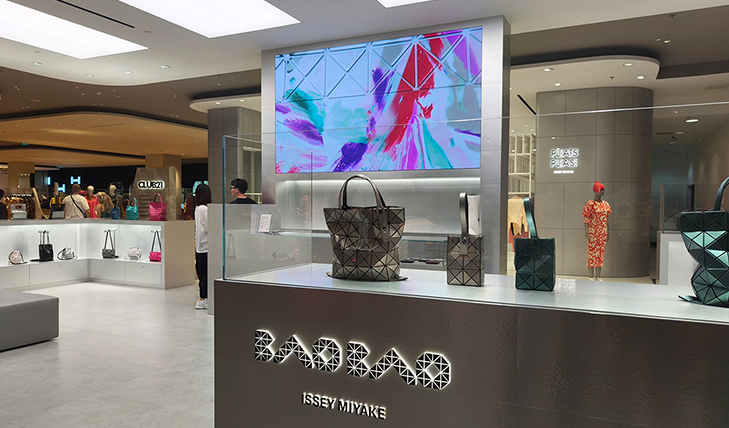
Fixed Installation Displays are engineered for permanent placement.
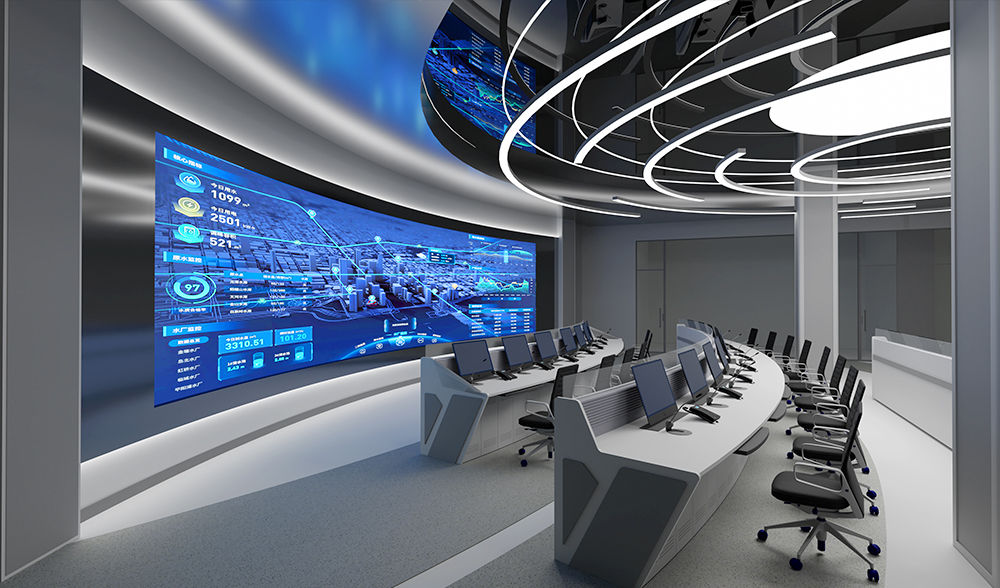
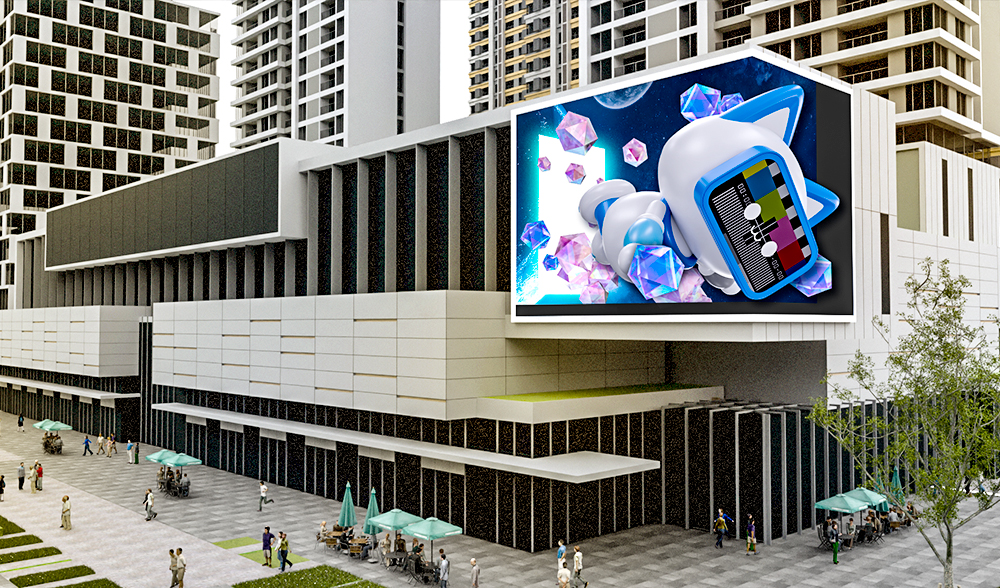
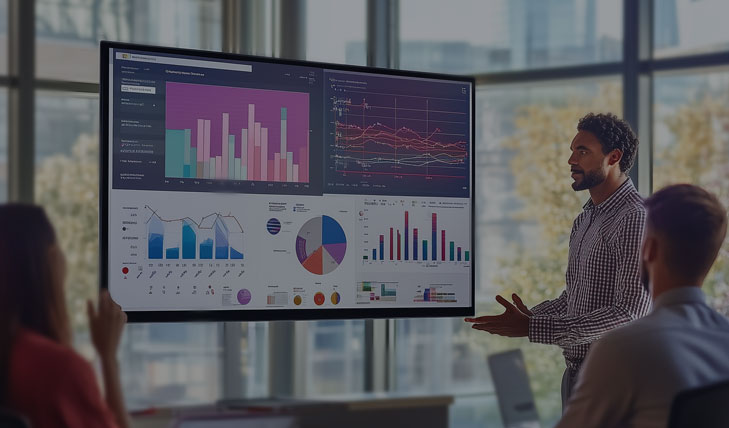
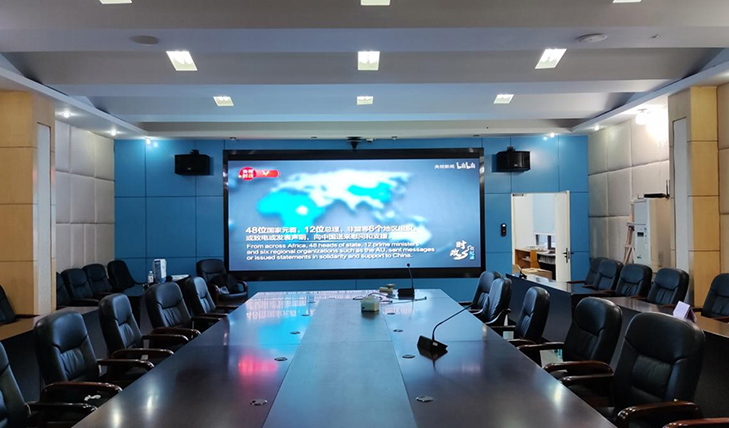
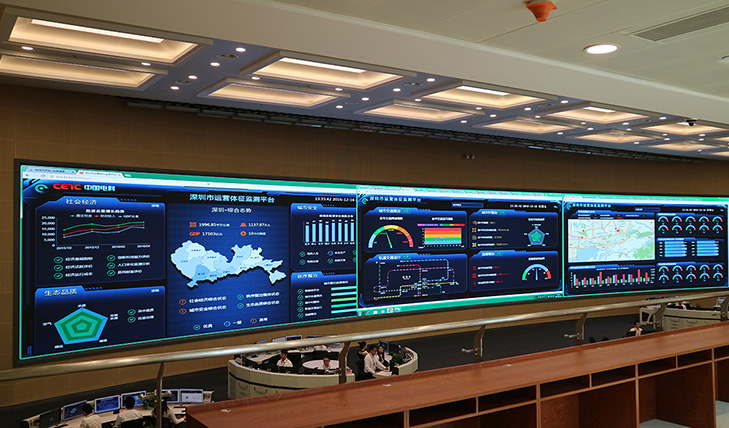
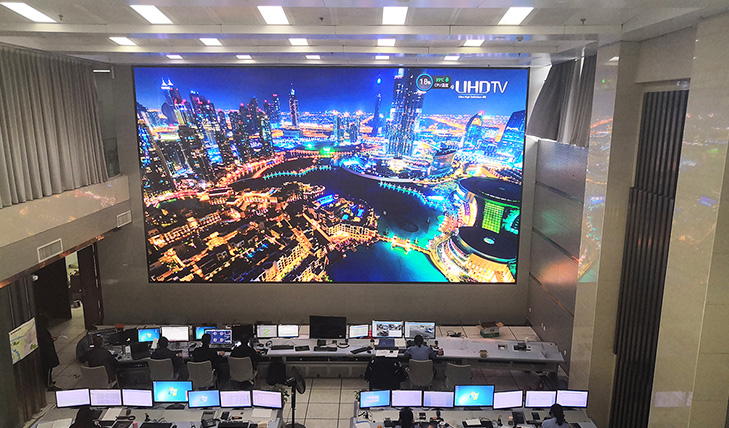
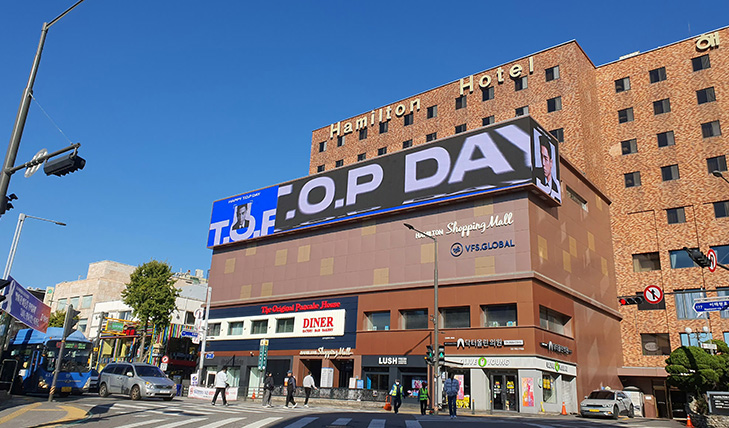
Applications: Commercial advertising billboards, command and control centers, conference rooms, and transportation hub signage.
Key Needs: These environments demand high stability, longevity, and consistent performance over long periods.
Rental Displays:
Installation: Highly efficient. A team of 3-5 people can typically assemble a 100-square-meter screen within a single day.
Teardown: Cabinets are designed to be dismantled quickly and packed into flight cases for compact transport.
Maintenance: They utilize a "quick-swap" maintenance mode. If a module fails, it can be individually removed and replaced immediately without disrupting the rest of the display.
Fixed Displays:
Installation: Requires complex construction. The process involves site surveys, custom structural design, wall preparation, and welding. The installation cycle typically spans 3-7 days.
Maintenance: Repairs often require professional tools to access the fixed structure. In some cases (like outdoor billboards), scaffolding may be needed, resulting in higher maintenance costs and longer downtimes.
Rental Displays:
Focus: Impact resistance and transportability.
Protection: While they have basic ingress protection (usually IP30–IP45) for temporary indoor/outdoor use, the materials (die-cast aluminum, carbon fiber, magnesium alloys) are chosen to resist deformation and scratches during frequent handling. Connectors and corners usually have reinforced bumpers.
Fixed Displays:
Focus: Environmental hardening and continuous operation.
Outdoor Fixed: High protection ratings (IP65 or higher) to withstand rain, dust, and UV radiation.
Indoor Fixed: Focused on moisture resistance and electromagnetic compatibility (EMC). They often use metal casings to enhance heat dissipation, ensuring stable 24/7 operation.
There is no absolute "better" option between rental and fixed screens; the choice depends entirely on your specific requirements. By selecting the type that matches your application scenario, you ensure the LED display delivers maximum value and performance.


 中文
中文 日本語
日本語 Русский
 Español
 Deutsch
 français
 اللغة العربية