



 English
2026.06.02
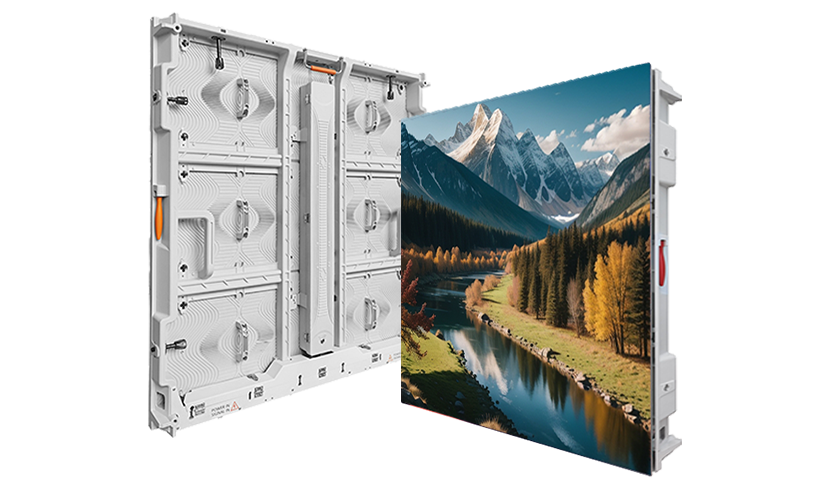
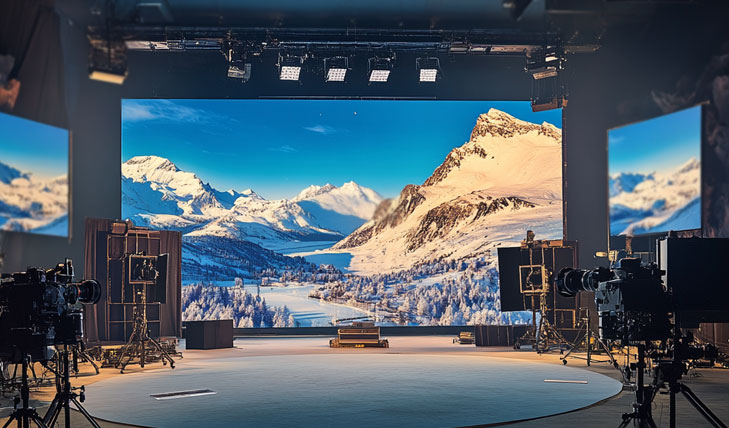
With the booming popularity of e-commerce and live entertainment streaming, the requirements for hardware equipment in live streaming rooms have reached professional broadcasting standards. Because camera lenses are highly sensitive, even minor display flaws are magnified on screen. To build a high-definition, realistic digital background, an indoor LED display must meet the following six core technical requirements:
Live streaming rooms typically have limited space, meaning the shooting distance between the camera and the background screen is relatively short. To prevent noticeable graininess in the footage, a fine-pitch LED display is essential. Currently, mainstream live streaming rooms require a pixel pitch below P1.5, while high-end studios may even utilize ultra-fine pitches ranging from P0.78 to P0.93. This micro-pitch ensures that the background remains flawless and sharp even during close-up shots of the host, completely eliminating grid-line interference.
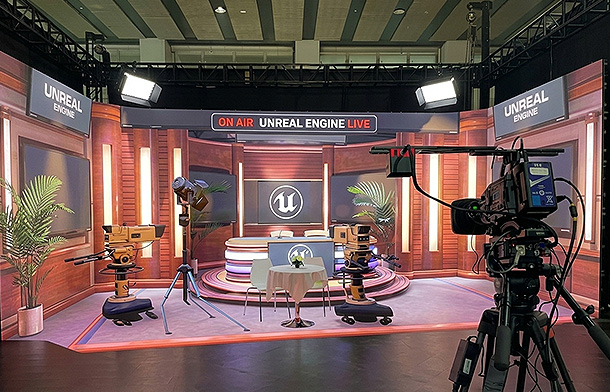
Under camera lenses, ordinary display screens are highly prone to wavy moiré patterns and black horizontal bars. The refresh rate of a live streaming LED display product must reach at least 3840Hz, with high-end configurations pushing up to 7680Hz. A high refresh rate ensures that the images captured by the camera at fast shutter speeds remain stable and seamless, eliminating flickering and scan lines to provide online viewers with a smooth, comfortable visual experience.
Grayscale dictates color transitions and the richness of dark-area details. Because lighting conditions in live streaming rooms are complex, the display must maintain high grayscale depths (typically 14–16 bits) even at low brightness levels. A high grayscale level allows dark scenes to remain deep and distinct without losing depth, while bright areas pop without overexposing. This perfectly preserves clothing textures, product details, and subtle lighting gradients to satisfy rigorous broadcast-grade color fidelity standards.
Studio lighting setup frequently shifts between cool white and warm tones depending on the stream's theme. Consequently, the LED display's color temperature must feature a broad adjustment range—typically customizable between 2000K and 12000K—and support precise white balance calibration. Matching the screen's color temperature perfectly with the ambient studio lighting prevents the host's skin tone from appearing unnaturally pale or yellowish, rendering the most natural look.
Currently, indoor fine-pitch displays rely on various packaging technologies. While traditional SMD technology is highly mature, next-generation solutions like COB (Chip-on-Board) and MIP are gaining substantial traction in live streaming environments. In particular, full-flip chip COB packaging offers robust surface protection that is impact-resistant, dust-proof, and moisture-proof. More importantly, it delivers exceptional ink color consistency and reduces glare, ensuring the screen maintains a pure, uniform black under complex stage lighting.
During live broadcasts, cameras frequently pan left and right or switch between multiple angles. This requires the indoor LED display screen to feature an ultra-wide viewing angle (such as 170°horizontally and vertically) to guarantee that the background suffers no color shifting or brightness decay from any off-axis angle. Furthermore, since these screens operate continuously for long hours, common cathode driving technology—which offers energy-saving characteristics—is a highly valuable asset.
Choosing an LED display for a live streaming room goes far beyond simply evaluating brightness; it is a comprehensive balancing act of technical indicators including pixel pitch, refresh rate, and grayscale. A professional display system that meets these rigorous demands not only infuses the studio with a high-tech ambiance but also acts as a silent driver for enhancing content quality and viewer conversion rates.


 中文
中文 日本語
日本語 Русский
 Español
 Deutsch
 français
 اللغة العربية